SKIN SCIENCE
Collagen vs. Elastin: What's Really Keeping Your Skin Firm After 50?
8 min read · Skincare & Nutrition · Updated August 2026
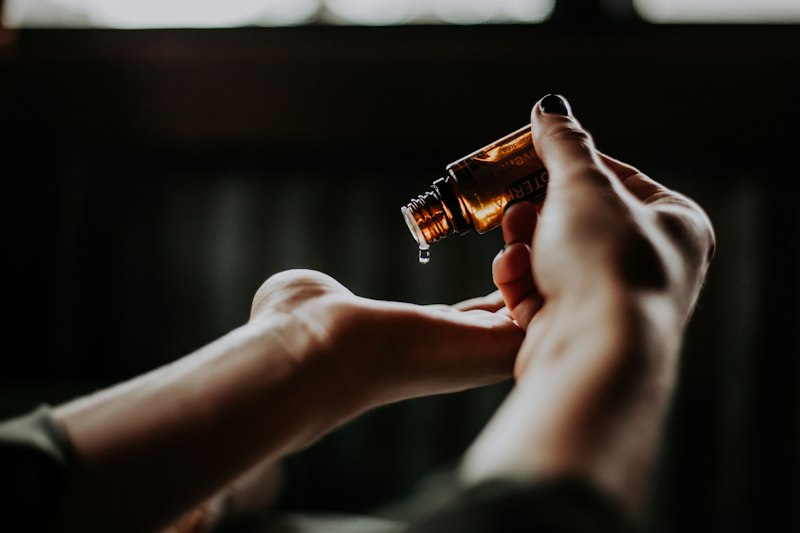
Supporting both collagen and elastin is the key to firmer, more supple skin after 50.
Most skincare products shout about collagen — but collagen alone is only half the story. Discover how two remarkable proteins work together to maintain firmness, bounce, and structure in mature skin, and what you can actually do to support both.
When skin changes become more noticeable in your fifties — a little more slack along the jawline, fine lines that linger after you stop smiling, skin that feels thinner and less cushioned — the conversation almost always centres on collagen. But deep within the dermis, a second structural protein is quietly doing some of the most important work: elastin. And its decline is a crucial part of the story that mainstream beauty brands rarely tell.
Understanding the real relationship between these two proteins changes how you shop, how you supplement, and how you protect your skin every single day.
The Two Structural Proteins Your Skin Relies On
The dermis — the thick, supportive middle layer of skin beneath the surface — is a scaffold made of two primary proteins suspended in a gel-like matrix called the extracellular matrix (ECM). Think of it like a mattress: collagen provides the springs and structural support, while elastin is the memory foam that bounces back into shape every time you move.
|
COLLAGEN Provides structural strength, volume, and firmness. Makes up roughly 75–80% of the skin's dry weight. Keeps skin plump and prevents sagging. |
ELASTIN Provides stretch, recoil, and elasticity. Only 2–4% of skin's dry weight, but entirely responsible for the bounce-back you feel when you press your skin. |
|
1% Collagen lost per year after age 25 |
30% Collagen decline in first 5 years post-menopause |
80% Of visible ageing linked to UV-damaged elastin |
Why Both Proteins Decline After 50
Natural biological ageing slows the fibroblast cells responsible for producing both collagen and elastin. But after menopause, the drop accelerates sharply. Oestrogen plays a significant role in maintaining collagen density — and as oestrogen levels fall, so does the skin's ability to replace what's lost.
Elastin faces its own distinct threat: ultraviolet radiation. UV exposure triggers an enzyme called matrix metalloproteinase (MMP) that specifically degrades elastin fibres — a process called solar elastosis. Unlike collagen, elastin is largely produced only during foetal development and early childhood. Adult skin has very limited ability to create new elastin fibres, making protection and preservation far more important than replenishment.

The dermis contains a complex scaffold of collagen and elastin fibres — both essential for firm, supple skin.
WORTH KNOWING
Glycation — a process where excess blood sugar attaches to collagen and elastin fibres — makes them stiff and brittle over time. Keeping blood sugar stable is one of the most underrated anti-ageing strategies for skin firmness.
Supporting Your Skin From Within: Nutrition & Supplements
No topical cream can fully replace structural protein loss from the inside out — but targeted nutrition creates the raw materials your fibroblasts need to produce collagen and protect existing elastin fibres.
Hydrolysed Collagen Peptides
Multiple peer-reviewed trials have shown that hydrolysed collagen peptides improve skin elasticity, hydration, and dermal density when taken consistently over 8–12 weeks. The peptides act as signalling molecules, prompting fibroblasts to ramp up their own collagen production. Look for grass-fed, Types I and III hydrolysed collagen powder — it dissolves easily in coffee, tea, or a morning smoothie.
★ RECOMMENDED PRODUCT
Hydrolysed Collagen Powder (Types I & III)
Grass-fed, unflavoured — stirs easily into hot or cold drinks. Look for at least 10g of collagen peptides per serving.
→ Shop on AmazonVitamin C and Copper as Essential Co-Factors
Collagen synthesis cannot happen without vitamin C. It acts as a required co-enzyme in the hydroxylation step that stabilises the collagen triple helix structure. Without adequate vitamin C, newly formed collagen is fragile and structurally compromised. Copper is equally important — it powers the enzyme lysyl oxidase, which cross-links both collagen and elastin fibres, giving them their tensile strength. Great food sources include kiwi, bell peppers, shellfish, and dark leafy greens.
Antioxidants and Plant Silica
Free radicals generated by UV exposure and pollution directly degrade elastin fibres. Polyphenol-rich foods — dark berries, green tea, pomegranate — neutralise this oxidative damage before it reaches the dermis. Plant-derived silica (found in horsetail extract and bamboo) is also increasingly studied for its role in supporting collagen cross-linking and elastin resilience.
Topical Skincare: Active Ingredients That Actually Work
Effective skincare for mature skin isn't about applying collagen or elastin directly — their molecules are far too large to penetrate the skin. It's about stimulating the cells that produce them, and protecting what's already there.
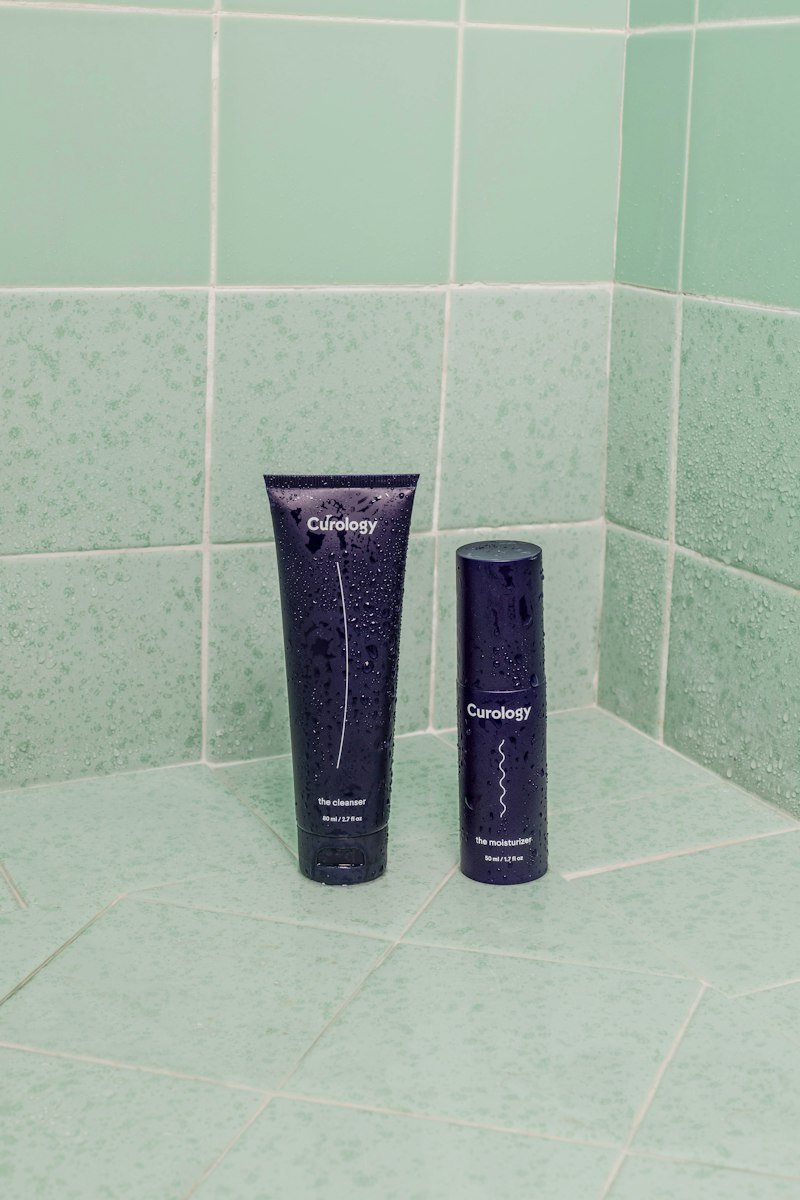
Targeted active ingredients — not just moisturisers — are what shift the needle for mature skin.
Retinoids and Bakuchiol
Retinoids remain the most clinically validated ingredient for stimulating collagen production. They work by binding to retinoic acid receptors in skin cells, switching on genes responsible for collagen synthesis and cell turnover. If your skin is sensitive or reactive, plant-derived bakuchiol achieves similar effects with considerably less irritation — an excellent alternative for postmenopausal skin.
Copper Peptide Serums
Peptide serums, particularly those containing copper tripeptide-1, support elastin synthesis and help repair the skin's structural matrix. They work particularly well around the jawline, neck, and décolletage — areas where loss of bounce and firmness is most noticeable first.
★ RECOMMENDED PRODUCT
Copper Peptide Firming Serum
Supports elastin synthesis and works particularly well along the jawline and neck where firmness loss is most visible.
→ Shop on AmazonBroad-Spectrum SPF — Every Single Day
Given that solar elastosis is responsible for the vast majority of premature elastin breakdown, daily broad-spectrum SPF is non-negotiable — even in winter, even on overcast days. Choose a formula with SPF 50, UVA + UVB protection, and added hydration suited to drier, more mature skin.
★ RECOMMENDED PRODUCT
Broad-Spectrum Moisturising SPF 50 (Tinted)
A hydrating, tinted SPF 50 designed for mature skin — protects elastin from UV breakdown while providing a light, evening finish.
→ Shop on AmazonAt-Home Devices Worth Knowing About
Red LED Light Therapy Masks
Red and near-infrared light at wavelengths of 630–850nm penetrate into the dermis and increase ATP production in fibroblast cells — the same cells that produce collagen and elastin. Regular use (10 minutes, 4–5 times a week) has been shown in clinical studies to improve skin texture, reduce fine lines, and increase collagen density over 12 weeks. Look for FDA-cleared masks offering both red (633nm) and near-infrared (830nm) wavelengths.
★ RECOMMENDED PRODUCT
FDA-Cleared LED Light Therapy Mask
Clinical-grade red and near-infrared light at home — supports fibroblast activity and collagen density with consistent use.
→ Shop on AmazonMicrocurrent Facial Devices
Microcurrent devices deliver low-level electrical currents that mimic the body's own bioelectrical signals, gently stimulating facial muscles and increasing circulation in the dermis. The result is a noticeable lifting effect — particularly around the brow, cheekbones, and jawline — plus improved absorption when used before applying serums.
Daily Habits That Protect Your Skin's Architecture
| | Prioritise deep sleep. Human growth hormone — which peaks during slow-wave sleep — stimulates fibroblast activity and accelerates the repair of damaged protein fibres. Aim for 7–9 hours. |
| | Stay well hydrated. The dermis is largely water-based. Adequate hydration maintains the volume of the dermal matrix, helping elastin fibres function optimally. |
| | Keep blood sugar stable. Advanced glycation end-products (AGEs) form when excess glucose attaches to collagen and elastin, making them rigid and brittle. A diet low in refined sugar is directly protective. |
| | Avoid smoking. Smoking reduces blood flow to the dermis and dramatically accelerates both collagen and elastin breakdown. Even passive smoke exposure measurably ages skin structure over time. |
| ☀️ | Check your vitamin D levels. Vitamin D receptors are present in skin cells and play a role in regulating skin cell turnover and inflammation — both of which affect collagen integrity. |
THE BOTTOM LINE
Collagen gives skin its volume and structure. Elastin gives it snap and recoil. After 50, you need a strategy that supports both — from what you eat and supplement, to what you apply and how you protect your skin from the sun. A targeted, layered approach beats any single hero product.
Recommended Products at a Glance
| Hydrolysed Collagen Powder (Types I & III) Daily supplement · Grass-fed · Unflavoured |
Amazon → |
| Copper Peptide Firming Serum Topical · Elastin support · Neck & jawline |
Amazon → |
| Broad-Spectrum Moisturising SPF 50 Daily protection · UVA + UVB · Tinted for mature skin |
Amazon → |
| FDA-Cleared LED Light Therapy Mask At-home device · Red + near-infrared · Fibroblast support |
Amazon → |
This post contains affiliate links. If you purchase through these links, I may earn a small commission at no extra cost to you. All product recommendations are based on research and genuine editorial opinion.
Comments
Post a Comment