
Something important has shifted in how we talk about aging. For decades the conversation was dominated by cosmetic fixes — creams, fillers, procedures aimed at hiding the years. But in 2026, the science has moved somewhere more interesting: inward. Researchers, physicians, and women themselves are asking a different question. Not how do I look younger? but how do I stay stronger, sharper, and more alive for longer?
The answer turns out to be both more complex and more empowering than a moisturiser can offer. Women age differently from men — hormonally, neurologically, metabolically. And for too long, longevity research ignored that reality. That imbalance is now correcting rapidly, with funding, clinical trials, and women-specific protocols finally arriving at scale.
This is what the current evidence actually says — across the body, the brain, and the spirit.
The Female Body Clock: What Changes, and When
Understanding aging in a woman's body starts with hormones. Estrogen, progesterone, and other hormones act as master regulators across nearly every system — the heart, the brain, the bones, the skin, and metabolism. When these shift, as they inevitably do across the decades, the ripple effects are felt everywhere.
📅 How the Female Body Changes Through the Decades
As the U.S. Office on Women's Health summarised in 2026: "The goal is not simply to extend lifespan, but to support a longer healthspan — years lived in good health, with the ability to remain active and engaged."
Protecting the Body: Muscle, Bone & Heart
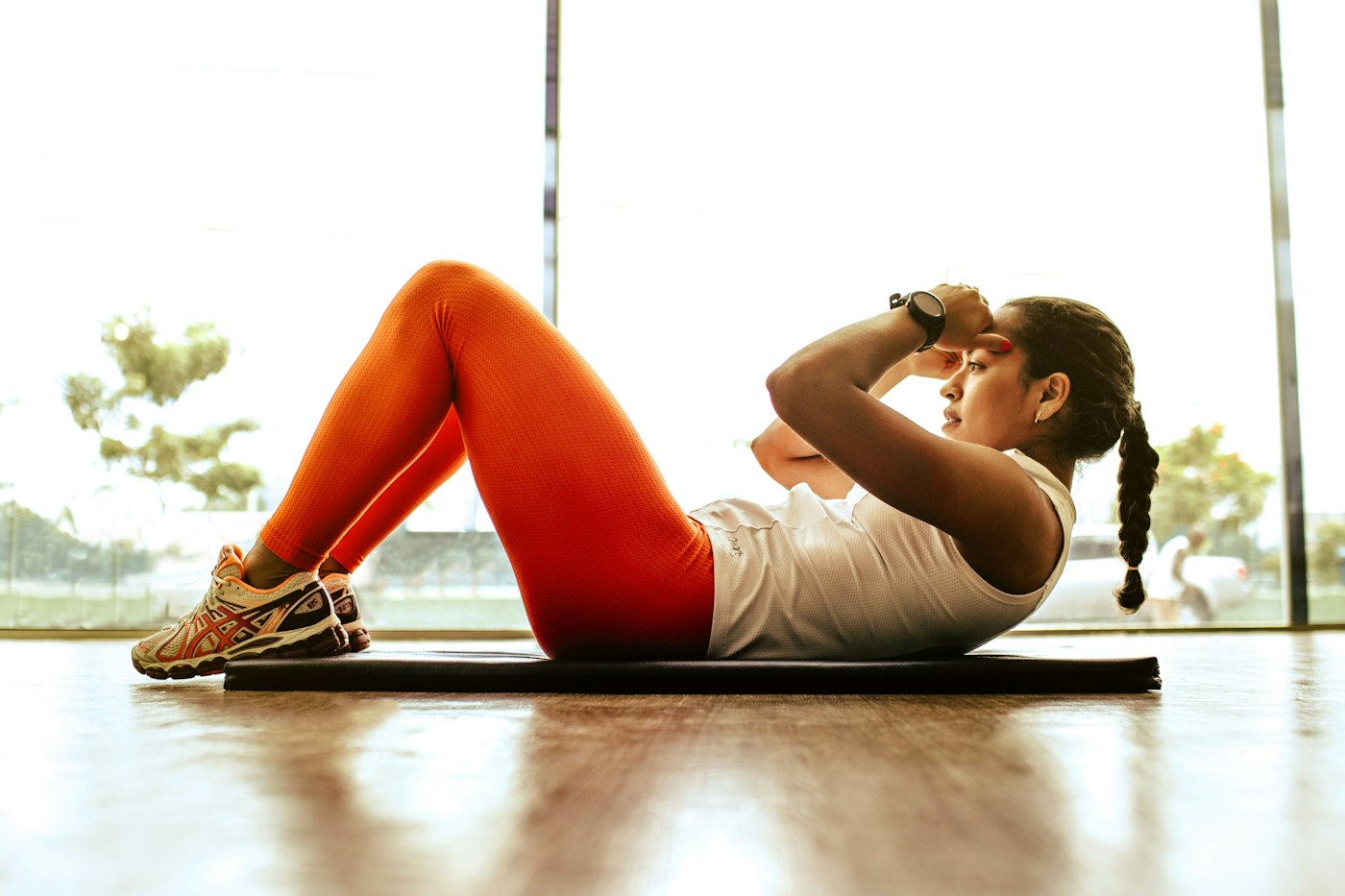
When researchers ask what single intervention has the greatest impact on women's long-term health, the answer that keeps coming back is resistance training. Not gentle stretching. Not long walks (though those help too). Lifting weights, or working against resistance, in a structured, progressive way.
Build and Protect Muscle — Starting Now
Muscle mass and bone density drop sharply after 40, and especially after menopause — at up to 1–2% per year without intervention. Three sessions of resistance training per week, 30–45 minutes each, is now supported by the 2026 longevity research consensus as the single most effective habit for women's long-term health. Compound movements — squats, deadlifts, push-ups, rows — give the most return.
Eat for Muscle, Not Just Calories
Hormonal shifts make muscle maintenance harder, which means women need more protein than they typically consume. The current evidence-based target: 1.2–1.6g of protein per kilogram of body weight daily. For a 65kg woman, that is 78–104g per day. Sources: eggs, lean meat, fish, lentils, Greek yoghurt, cottage cheese. Creatine monohydrate — long dismissed as a bodybuilder supplement — is now backed by 2025–2026 research for muscle, bone, and even brain health in women, particularly around menopause.
Take Bone Health Seriously Before It Becomes Urgent
A systematic review published in 2025 across six databases confirmed that postmenopausal women who combined hormone replacement therapy (HRT) with weight-bearing exercise achieved significantly greater improvements in bone mineral density than exercise alone, with reduced fracture risk at the hip and vertebrae. Bone health is best built and preserved in your 30s and 40s, but measurable improvements are achievable at any age.
Protect Your Heart — Women's Risk Rises Sharply After Menopause
Estrogen has a protective effect on the cardiovascular system. When it declines, risk for heart disease rises — often overtaking breast cancer as the leading cause of death for women over 55. Daily movement, a diet rich in omega-3 fatty acids, reduced ultra-processed food, and not smoking are foundational. Cardiovascular screening should become routine from the mid-40s.

The Brain: Staying Sharp for Life
Women are disproportionately affected by Alzheimer's disease — accounting for approximately two-thirds of all cases globally. The reasons are multifactorial but increasingly well understood: the hormonal transition of menopause plays a significant role in neurological vulnerability, making brain health a women's health issue in a way it hasn't historically been treated.
The encouraging news is that the brain responds remarkably well to targeted lifestyle intervention — and the research is now specific enough to know which interventions matter most.
Evidence-Based Brain Protection: The 2026 Checklist
- Resistance training:New research confirms strength training improves cognitive markers and memory recall — not just in the short term but as a sustained protective effect over years.
- Sleep, non-negotiably:The brain's glymphatic system — its waste-clearance mechanism — operates almost entirely during deep sleep. Seven to nine hours is not a luxury; it is neurological maintenance.
- Omega-3 fatty acids (DHA & EPA):Structural components of brain cell membranes. Regular consumption of oily fish (sardines, salmon, mackerel) or algae-based supplements is supported by strong evidence.
- Social connection:Loneliness is now classified as a risk factor for dementia of comparable magnitude to smoking. Deep, reciprocal relationships are a genuine brain-protection strategy.
- Cognitive challenge:Learning new skills — a language, an instrument, a craft — promotes neuroplasticity and builds what researchers call "cognitive reserve," a buffer against decline.
- Stress regulation:Chronic elevated cortisol damages the hippocampus — the brain region central to memory. Meditation, breathwork, time in nature, and therapy all reduce cortisol with measurable neurological effect.
- Creatine supplementation:2025–2026 research positions creatine as a promising cognitive support supplement. The brain requires enormous energy, and creatine supports cellular energy production in neural tissue similarly to how it supports muscle.
- Limit alcohol:Alcohol is neurotoxic, particularly to the hippocampus. There is no safe threshold for brain health — even moderate consumption accelerates brain volume loss over time.
Skin: The Science of Longevity from the Outside In
Skin aging has two drivers: intrinsic (genetic and hormonal) and extrinsic (sun, pollution, lifestyle). The good news is that extrinsic aging — which accounts for the majority of visible change — is largely preventable. And the science of what actually works has never been clearer.
🔬 The Skin Longevity Pyramid — Priority Order
The concept gaining real traction in 2026 is "collagen banking" — actively building and preserving collagen density before significant loss occurs, rather than attempting to restore it after the fact. The earlier you start, the larger your reserve.
Staying Young at Spirit: The Psychology of Aging Well
Biology matters — but it doesn't determine everything. Some of the most compelling research in longevity science concerns not what we do to our bodies, but how we relate to our own aging. Psychological attitudes toward aging have been shown to influence health outcomes as significantly as physical habits.
Purpose and Meaning
Studies consistently find that women with a strong sense of purpose — something to get up for — have lower rates of cognitive decline, cardiovascular disease, and depression. Purpose is a biological protector, not just a philosophical one.
Deep Social Bonds
Loneliness is now classified as a health risk equivalent to smoking 15 cigarettes a day. The quality of relationships matters more than quantity. Invest in relationships that are reciprocal, honest, and nourishing.
A Growth Mindset
Women who view aging as a process of continued growth — rather than inevitable decline — measurably outperform their peers on health markers. Learning new things, embracing change, and staying curious all have documented neurological benefit.
Rest Without Guilt
Sleep is where biological repair happens — from collagen synthesis to memory consolidation to hormone regulation. Treating rest as a performance tool rather than a weakness is one of the most evidence-supported mindset shifts in longevity.
Your Daily Anti-Aging Blueprint
The science, when distilled to its essence, points to a consistent set of daily habits. Not supplements or procedures — foundational behaviours that compound over decades.
| Habit | What it protects | How often | Priority |
|---|---|---|---|
| Resistance training | Muscle, bone, metabolism, brain, mood | 3× per week, 30–45 min | Essential |
| Protein: 1.2–1.6g/kg bodyweight | Muscle preservation, immune function | Daily, spread across meals | Essential |
| SPF 50 sunscreen | Skin, collagen, cancer prevention | Every morning, year-round | Essential |
| 7–9 hours sleep | Brain, hormones, inflammation, skin | Every night | Essential |
| Oily fish or omega-3 supplement | Brain, heart, joints, skin | 2–3× per week minimum | High |
| Daily walking (7,000–10,000 steps) | Cardiovascular, metabolic, mood | Daily | High |
| Stress regulation practice | Cortisol, brain, skin, immunity | 10–20 min daily | High |
| Retinol (night) + Vitamin C (morning) | Skin collagen, cellular renewal | Nightly / every morning | Skin |
| Social connection | Brain, mood, longevity | Meaningful contact several times/week | Mindset |
| Learning something new | Cognitive reserve, neuroplasticity | Weekly practice | Brain |
Vitamin D + K2
Deficiency is extremely common in women and linked to bone loss, low mood, and immune dysfunction. Test your levels; supplement if needed.
Fermented Foods
Yoghurt, kefir, kimchi, and sauerkraut support the gut microbiome — increasingly linked to immune function, mood, and even skin health.
Hydration
Chronic mild dehydration accelerates skin aging, impairs cognitive function, and compromises joint lubrication. Aim for 1.5–2L daily, more in heat or exercise.
Avoid Smoking
Smoking accelerates skin aging by 10–20 years, doubles dementia risk, and is the leading modifiable risk factor for premature cardiovascular disease in women.
Rethink Alcohol
Even moderate alcohol consumption is now linked to accelerated brain volume loss, disrupted sleep architecture, and collagen degradation. Less is genuinely more.
Regular Screening
Bone density scans, cardiovascular markers, blood glucose, thyroid, and hormone panels from the mid-40s. What gets measured gets managed.
The science of aging well is no longer about fighting the years. It is about understanding your body's biology — particularly the biology of a woman's body, which has for too long been ignored by mainstream longevity research — and giving it what it actually needs.
Strong muscles. Adequate protein. Consistent movement. Quality sleep. Nourishing relationships. A brain that keeps learning. Skin that is protected, not just treated. And hormones understood and supported rather than endured in silence.
None of this is complicated. And all of it, compounded over years, adds up to something the beauty industry could never sell you: a life that is genuinely, biologically, more vital for longer.
Disclaimer: This article is for informational and educational purposes only and does not constitute medical advice. Always consult a qualified healthcare professional before making changes to your diet, exercise routine, supplement regimen, or hormone therapy. Individual health needs vary significantly, and what is appropriate for one person may not be appropriate for another. The science referenced reflects the state of research as of August 2026.
Comments
Post a Comment